

 See My Latest Article on HelloNation
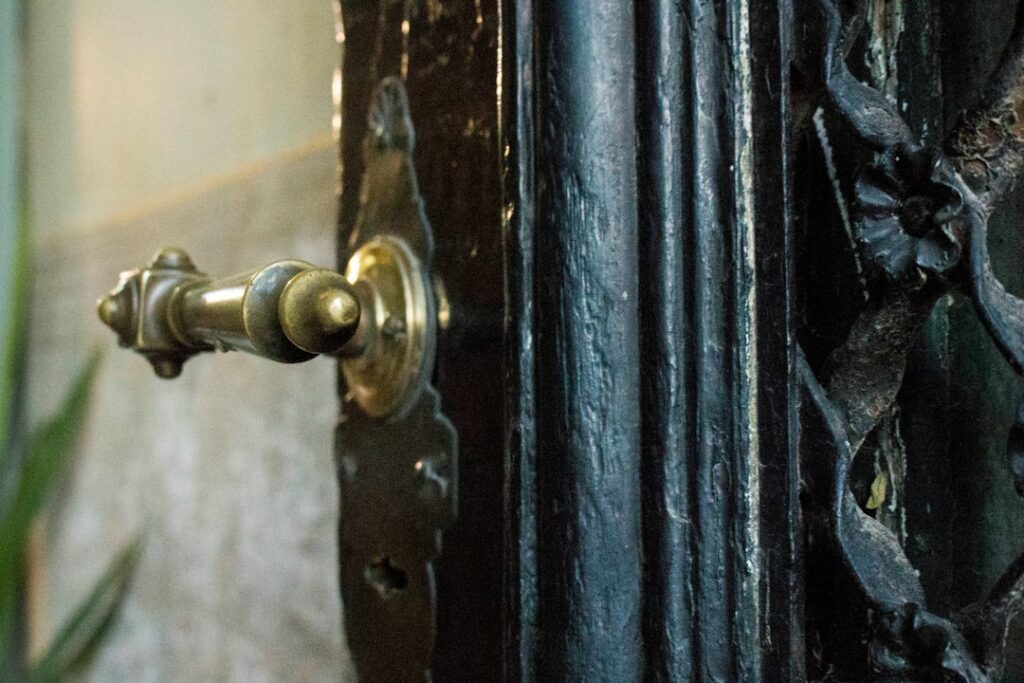
Historic hardware does more than open a door or secure a window. Its shape, materials, finish, and installation details can help preserve the character of an older home while still supporting modern daily use. For residents planning renovations in Devon, PA, the challenge is finding hardware that looks historically suitable without creating maintenance, safety, or compatibility problems.
What does “period-appropriate” hardware mean?
Period-appropriate hardware is hardware that fits the architectural era, construction methods, and visual character of a home. It does not always mean that every item must be an original antique.
A reproduction latch may be more appropriate than a mismatched salvaged piece if it has the correct proportions, mounting style, and finish. Likewise, a carefully restored original lock can be a strong choice when it is sound and compatible with the door.
The goal is visual and functional continuity. Hardware should appear as though it belongs to the house rather than looking like a modern replacement added without regard for the surrounding woodwork, trim, doors, or windows.
How can homeowners identify the likely period of a house?
Start with the home itself rather than with a hardware catalog. Architectural clues often provide more reliable information than a general assumption based on the year a property was built.
Examine:
- Door and window proportions
- Wood species and visible joinery
- Trim profiles and molding details
- Hinge shapes and screw placement
- Existing escutcheons, strike plates, latches, and sash fittings
- Fireplace fittings, stair hardware, and other surviving details
- Changes that may indicate a later addition or remodeling campaign
Older homes often contain more than one design period. A front entry may retain early hardware while a rear addition reflects a later renovation. Interior doors may also differ from exterior doors in both function and finish.
Photographs, old property records, previous renovation documents, and physical evidence beneath layers of paint can help establish what is original and what was added later. A single surviving piece of hardware may reveal the scale and style needed for an entire room.
Should original hardware be restored or replaced?
Original hardware should generally be evaluated before replacement is considered. Many older knobs, escutcheons, hinges, sash lifts, and cabinet fittings were made from durable materials and can be repaired or refinished.
Restoration may involve:
- Removing layers of paint carefully
- Cleaning corrosion without erasing surface detail
- Replacing missing screws with compatible sizes and head styles
- Repairing worn internal components
- Reproducing a missing part when the rest of the item is sound
- Applying a protective finish appropriate to the material
Not every piece should be returned to a bright, newly polished appearance. Aged brass, bronze, or iron may have a surface that reflects the history of the home. Over-cleaning can remove useful patina and soften crisp details.
Replacement is reasonable when hardware is structurally unsafe, impossible to operate, severely altered, or incompatible with current security needs. Even then, a visually compatible replacement is usually preferable to an unrelated modern style.
What materials and finishes are historically suitable?
Material selection should reflect both the house and the location of the hardware. Brass, bronze, iron, steel, porcelain, and wood were used in different combinations depending on the period and function.
For example, an interior door may call for brass or dark metal hardware, while a utilitarian service area may have simpler iron or steel fittings. Window hardware often has a smaller scale than door hardware and should not be selected from the same visual category without comparison.
Finishes require careful judgment. Common historically sympathetic choices include:
- Aged or unlacquered brass
- Oil-darkened or naturally dark bronze
- Blackened iron
- Satin or lightly weathered nickel where appropriate
- Painted metal that matches documented historic evidence
A shiny finish is not automatically wrong, but it can appear out of place in a room with worn wood, old glass, and hand-finished trim. Conversely, an artificially distressed finish may look less convincing than a simple, honest surface that will age naturally.
Exterior hardware deserves special attention because seasonal moisture, freezing temperatures, and humidity can accelerate corrosion. Finishes that are suitable indoors may deteriorate quickly on exposed doors, shutters, gates, or window fittings.
How should homeowners match hardware to doors and windows?
Scale is one of the most overlooked factors. A small, delicate latch can look lost on a heavy door, while oversized hardware can overwhelm narrow trim and small-pane windows.
Before purchasing or reproducing hardware, measure:
- Door thickness
- Backset and bore dimensions
- Hinge height, width, and screw spacing
- Escutcheon length and width
- Existing mortise locations
- Window rail dimensions
- Clearance between hardware and surrounding trim

Compatibility matters as much as appearance. A replacement lock may have the right finish but require enlarging a historic mortise. That alteration can damage original wood and make future restoration more difficult.
For windows, confirm whether the sash is double-hung, casement, awning-style, or another configuration. Sash lifts, catches, pulleys, and fasteners need to match the operating system. Installing hardware intended for a different window type can create stress, poor alignment, or reduced ventilation.
Is antique hardware always the best choice?
No. Antique hardware can be historically valuable, but age alone does not guarantee suitability. A salvaged piece may come from a different era, building type, or region. It may also have been modified, stripped, drilled, or repaired in ways that affect performance.
Reproduction hardware can offer several practical advantages:
- Consistent sizing for multiple doors
- Replacement parts that are easier to obtain
- Better compatibility with modern door thicknesses
- Improved security options
- Less risk of damaging rare original pieces
The strongest approach is often a combination: preserve original hardware where it survives, use compatible reproductions where pieces are missing, and avoid introducing decorative details that the house never had.
How can residents avoid making a renovation look artificially old?
Historic character is not created by adding as many old-looking details as possible. An accumulation of unrelated antique styles can make a renovation feel staged rather than authentic.
Choose a limited hardware vocabulary for each area of the house. Door knobs, hinges, cabinet pulls, and window fittings should relate in scale and finish without being identical. Differences between formal rooms, service spaces, and later additions may be appropriate.
Avoid mixing highly ornate hardware with plain early fittings unless there is evidence that both belonged together. Also be cautious with artificial distressing, oversized decorative plates, and modern hardware made to imitate several different historical periods at once.
The most convincing results are usually restrained. Hardware should support the architecture, not compete with it.
What should be documented before work begins?
Photograph every existing piece before removal, including the back, screw locations, surrounding paint lines, and any stamped or engraved markings. Label each item by room and opening. Keep fasteners with the hardware whenever possible.
A simple record can include:
- Location and function
- Material and finish
- Dimensions
- Condition
- Whether the piece appears original
- Any repair or alteration needed
- The proposed replacement, if replacement is necessary
This documentation is especially useful in older homes where doors and windows may not be interchangeable. It also helps preserve evidence if later work uncovers additional layers of paint, altered openings, or earlier hardware.
For properties subject to local preservation rules, exterior changes may require review before installation. Interior work may have fewer restrictions, but original features can still carry architectural value even when no formal designation applies. Safety-related upgrades, including dependable locks and secure window fasteners, should be addressed without sacrificing compatible appearance.
How should hardware be maintained after installation?
Routine maintenance extends the life of both original and reproduction hardware. Clean gently with a soft cloth and a mild solution suited to the material. Avoid abrasive pads, harsh chemicals, and aggressive polishing unless the finish is known to require it.
Lubricate moving parts sparingly and inspect screws periodically. Seasonal changes in moisture and temperature can cause wood doors and windows to swell, shift, or bind. Correcting alignment early may prevent excessive wear on hinges, latches, and locks.
In a historic renovation, the best hardware choice is rarely the newest or most decorative option. It is the one that respects the home’s construction, performs reliably, can be maintained, and appears naturally connected to the building’s history.