

 See My Latest Article on HelloNation
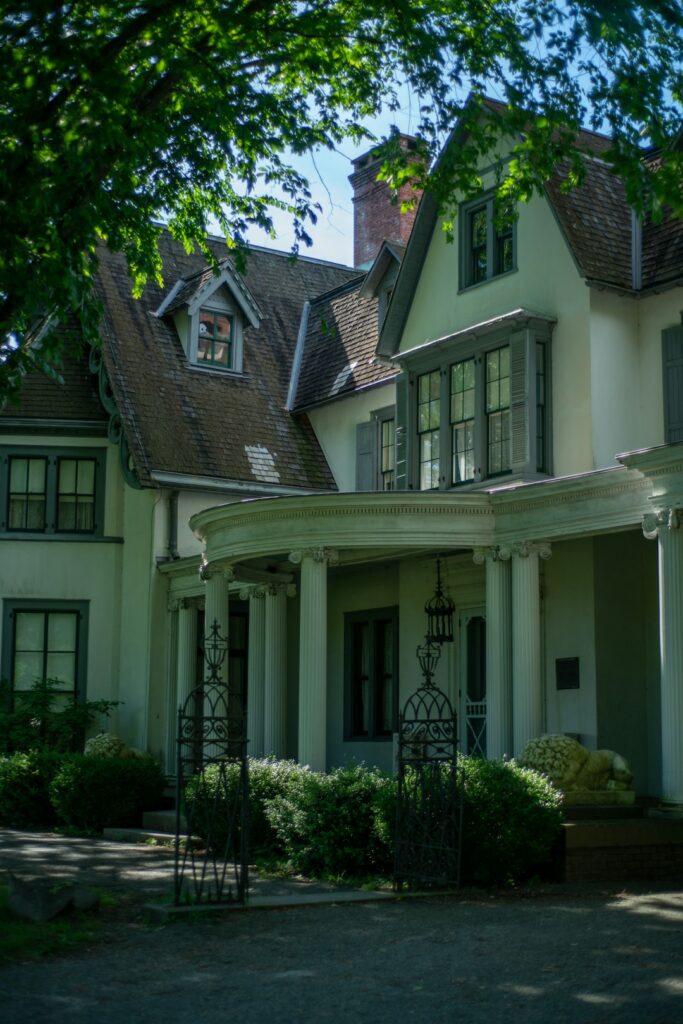
How Can You Tell If Your Home Has Historic Features?
Many homeowners in Devon, PA live in properties with rich architectural histories—whether from the early 20th century or structures dating to earlier periods. Recognizing authentic historic details within your home can help preserve its character, inform maintenance choices, and even support property value if the house is eligible for official historic status. To get started, look for features that pre-date more recent remodeling trends, especially those that use materials or construction methods no longer common today.
What Are Common Historic Architectural Elements in Local Homes?
Older houses in the area often showcase distinct craftsmanship or materials seldom found in newer construction:
- Original hardwood floors, often in wide planks or with visible hand-finishing marks
- Doors with mortise-and-tenon joinery, rim locks, or glass knobs
- Cast iron or solid brass hardware, particularly on fixtures and windows
- Multi-pane wood sash windows, especially with true divided lights (individual panes set into wood grids)
- Built-in cabinetry, such as corner cabinets in dining rooms or butler’s pantries, usually crafted from old-growth wood
- Decorative trim such as crown molding, chair rails, or wainscoting that shows signs of hand carpentry
- Plaster walls and ceilings, as distinct from modern drywall
- Fireplaces with original mantels, hearths, or tilework typical of the era in which the house was built
Not every historic home contains all of these features, but the presence of several often indicates the house’s original character remains intact.
How Can You Date a Feature or Material?
To identify whether a component is historic, focus on both visible wear and the context of local building trends. For example, homes built prior to the Second World War often have heavier framing, more solid doors, and windows with simple drafty mechanisms rather than aluminum tracks or vinyl sashes. Paint buildup, especially on windows or trim, may also suggest age; you might see thick layers or “alligatoring” where time has caused cracking.
Even small details like old vent covers, light switch plates with intricate designs, or remnants of push-button switches can signal a feature’s age. The best clues often come from subtle details—cut nails versus wire nails, original plaster “keys” visible behind holes, or subtle tool marks in woodwork.
What Features Are Mistakenly Believed to Be Historic?
Some details may appear old at a glance but are, in fact, later reproductions or replacements:
- Machine-pressed “antique” brass hardware that lacks weight or hand finishing
- Prefabricated crown moldings or foam trim rather than true wood or plaster
- Laminate or engineered floors designed to mimic wide-plank wood
- Faux tin ceilings or paint finishes meant to suggest patina
- Vinyl windows with simulated divided lights (strips placed between panes) rather than true divided glass

Understanding what’s authentic versus reproduction prevents misguided preservation efforts and ensures focus is placed on protecting original details.
How Do Local Conditions Affect Historic Home Features?
Devon’s weather—marked by humid summers and cold winters—can take a toll on historic elements, particularly wood windows, plaster, and exterior millwork. Repeated cycles of heating, cooling, and moisture can cause paint failure on trim and create movement in floors or plaster. It’s common for original windows or doors to stick during summer humidity or show gaps during winter. These quirks often signal the materials’ age but can also mean the features are still performing as designed with just routine maintenance.
What Should Homeowners Avoid Changing Without Careful Consideration?
Many historic elements can be inadvertently lost during unnecessary “updates.” For example, replacing old wood sash windows with new materials may reduce drafts but can diminish a home’s appearance and historical integrity. Likewise, removing plaster walls for drywall, altering original staircase balustrades, or sanding down old interior doors may erase period craft.
If you suspect a feature might be original, pause before making major changes—even if it looks worn. Simple repairs or thoughtful refinishing often preserve the detail’s value and function better than replacement.
Are There Local Resources for Learning More?
Residents interested in learning more about their home's origin or architectural style can explore public records, historic society archives, and township property maps. Period architecture reference books, regional architectural guides, and old house forums help further with identification. When planning any project that could affect historic features, consult local guidelines and permit rules as some exterior features may be protected under community or township oversight.