

 See My Latest Article on HelloNation
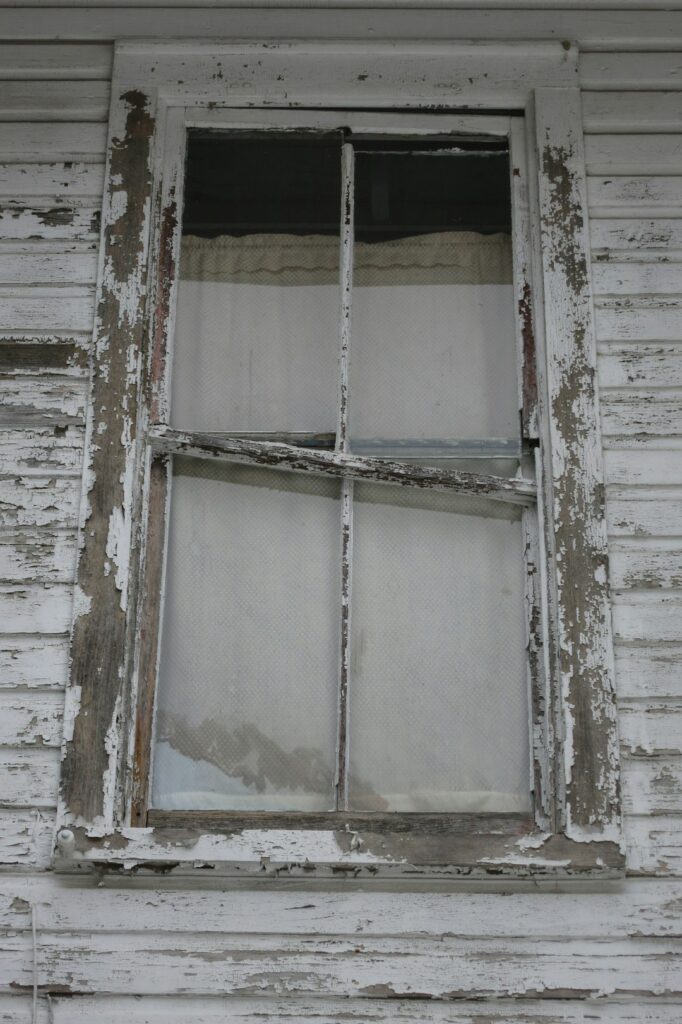
Should old windows be preserved or replaced?
For many older homes in Devon, PA, preserving existing windows is the better first step—provided the frames, sash, and surrounding walls are reasonably sound. Replacement may be justified when windows are severely deteriorated, unsafe, poorly altered, or impossible to repair without losing more historic material.
The decision is not simply about age. It depends on the window’s construction, condition, energy performance, historic significance, and the role it plays in the character of the house.
Older windows were often built from durable, dense-growth wood and designed so individual parts could be repaired. A window that looks worn may need glazing repair, paint removal, weatherstripping, or localized wood replacement rather than complete removal.
What makes an old window worth saving?
A historic window is often a collection of repairable parts rather than a single disposable unit. The sash, muntins, glass, cords, pulleys, sill, casing, and frame can each be evaluated separately.
Preservation is usually sensible when:
- The frame is square and remains firmly attached to the wall.
- Most deterioration is limited to paint failure, loose putty, damaged cords, or small areas of soft wood.
- The sash still closes or can be returned to operation.
- The window has distinctive proportions, divided lights, wavy glass, or hand-finished details.
- The window contributes to the appearance of the front elevation or another visible historic space.
- Replacement would require removing sound trim, plaster, interior finishes, or exterior siding.
Historic glass may contain slight variations, bubbles, or waviness. These are not necessarily defects. They can be part of the window’s age and character, particularly in older houses where the original openings are visually prominent.
Are old windows less energy-efficient than modern windows?
Usually, yes—but the difference is often smaller than homeowners expect after basic improvements are made. A single-glazed window with loose sash, deteriorated putty, and large air gaps will perform poorly. A repaired window with tight-fitting sash, functional storm protection, and appropriate weatherstripping can perform much better.
Heat loss through a window comes from several sources:
- Air leakage around the sash and frame
- Heat transfer through the glass
- Gaps between the frame and the wall
- Poorly fitted storms or damaged screens
- Open curtains or shades during cold periods
- Moisture-related deterioration that weakens the assembly
Weatherstripping is one of the most useful upgrades because it reduces drafts without changing the historic appearance. Interior or exterior storm panels can further improve insulation while allowing the original window to remain in place.
During Devon’s cold winters, wind and temperature changes can make air leakage especially noticeable. Summer humidity also makes paint failure, swelling wood, and condensation more consequential. Managing moisture is therefore as important as improving insulation.
When does replacement make more sense?
Replacement becomes more reasonable when a window has extensive structural deterioration or has already lost most of its historic material. Examples include a frame that has shifted significantly, sash that is largely missing, repeated water damage, or damage caused by long-term roof and gutter problems.
Replacement may also be considered when:
- The opening contains a modern alteration that is incompatible with the house.
- The existing window cannot be made safe or weather-resistant through reasonable repair.
- Lead paint hazards cannot be managed safely in the household’s circumstances.
- The window is failing in a way that threatens surrounding masonry, trim, plaster, or framing.
- The existing unit is a later replacement with little architectural value.
Even in these situations, “replacement” does not automatically mean installing the most common modern window. The new unit should fit the opening, preserve the intended proportions, and reflect the building’s architectural character. A window that changes the visible width of muntins, sash arrangement, depth, or placement can make an older house look noticeably altered.
How can homeowners tell whether deterioration is serious?
A simple inspection can reveal whether the problem is mostly cosmetic or structural. Look for soft spots at the sill, lower sash rails, exterior casing, and joints where water may collect.
Press gently with a small probe in areas where paint is blistered or wood is darkened. Sound wood should resist pressure. Soft wood does not always require full replacement; small sections may be repaired if the surrounding material remains stable.
Other warning signs include:
- Water stains on interior trim or nearby plaster
- Cracked or missing glazing compound
- Sash that will not stay open or close fully
- Pulley pockets with broken or missing cords
- Gaps between the frame and surrounding wall
- Rot extending into the wall rather than remaining at the surface
- Condensation that repeatedly wets the sill or trim
- Glass that is cracked or no longer securely held

Before judging the window itself, inspect the source of moisture. Failing gutters, roof edges, loose flashing, blocked drainage, and poor exterior caulking can cause damage that will return after repair.
Is replacing the glass enough?
Sometimes, but glass replacement alone does not solve every window problem. New glass may improve safety or reduce heat transfer, yet it will not correct a loose frame, rotted sill, damaged sash, or air leakage around the opening.
Historic windows also require careful attention to proportion. Thicker insulated glass units may not fit original sash without changing the muntins or altering the frame. Those changes can reduce the amount of visible glass and make the window appear heavier than its neighbors.
For many older openings, improving the sash, weatherstripping, storm protection, and surrounding drainage provides a more balanced result than rebuilding the window around a thicker glass unit.
What about lead paint?
Lead paint is a genuine concern in older homes, especially where layers of paint are peeling, chalking, or being disturbed by sanding. The risk is greatest when dust or paint chips are created and then inhaled or swallowed.
Work involving painted windows should be approached with containment, careful cleaning, and methods that limit dust. Children and pregnant household members should not be exposed to renovation debris. Dry scraping, open sanding, and the use of heat or tools that create airborne particles can create avoidable hazards.
Lead-safe practices may require trained assistance when extensive paint disturbance is unavoidable. This is a safety issue rather than an argument that all historic windows should be discarded.
Do local historic rules affect the decision?
They can, depending on the property’s designation and the type of work proposed. A house in a locally regulated historic district, or a property subject to preservation restrictions, may have review requirements for visible exterior changes. Rules can differ for repair, repainting, window restoration, and complete replacement.
Before altering windows on a protected property, verify the applicable requirements with the relevant local authority. Preservation review commonly focuses on visible features such as window proportions, muntin patterns, trim, materials, and placement.
Even when no formal approval is required, documenting the existing window before work begins is useful. Photographs, measurements, sash profiles, hardware details, and paint colors can help guide a compatible repair.
How should the decision be made?
The most reliable approach is to compare the whole window system rather than judging the glass alone. Consider:
- Historic and architectural value
- Structural condition of the sash and frame
- Air leakage and moisture problems
- Cost and complexity of repair
- Safety concerns, including lead paint and broken glass
- Effect on exterior appearance
- Expected maintenance
- Whether the surrounding wall and trim will be disturbed
A window that is drafty but repairable may benefit from weatherstripping and storm protection. A window with localized rot may need carpentry repairs. A severely altered or structurally failed unit may be a candidate for carefully designed replacement.
For older homes in the community, preservation is often most successful when paired with routine maintenance: keeping paint intact, clearing gutters, directing water away from sills, checking caulk joints, and addressing small failures before they spread. The goal is not to preserve every window regardless of condition. It is to retain sound historic material where it can continue to function, and to replace only what repair can no longer reasonably save.