

 See My Latest Article on HelloNation
Restoring an older house on a limited budget requires careful sequencing, not a race to replace everything at once. The most reliable approach is to protect the building from water, understand how it was constructed, and repair original materials whenever they remain sound.
For homeowners in Devon, PA, this can be especially useful because older properties often combine traditional masonry, wood siding, plaster, slate or wood detailing, and additions built at different times. Each system affects the others. A low-cost repair that ignores moisture or ventilation can create a much larger expense later.
What should be repaired first?
The first priority is keeping water out and directing it away from the structure. A dry, stable house is easier and less expensive to restore than one with active leaks, foundation moisture, or failing drainage.
Begin with a basic inspection of:
- The roof surface, flashing, chimneys, gutters, and downspouts
- Areas where siding meets masonry, windows, porches, or additions
- Basement and crawl-space moisture
- Grading around the foundation
- Signs of active wood decay, staining, peeling paint, or musty odors
Seasonal rain, freeze-and-thaw cycles, and summer humidity can expose small weaknesses in older buildings. A downspout that releases water beside the foundation may contribute to damp masonry, mortar damage, or basement problems. Correcting drainage may be less visible than replacing a kitchen, but it usually protects more of the house.
How can original materials reduce costs?
Original materials are not automatically expensive to keep. In many cases, repair costs less than full replacement, especially when the historic material is durable and compatible with the rest of the building.
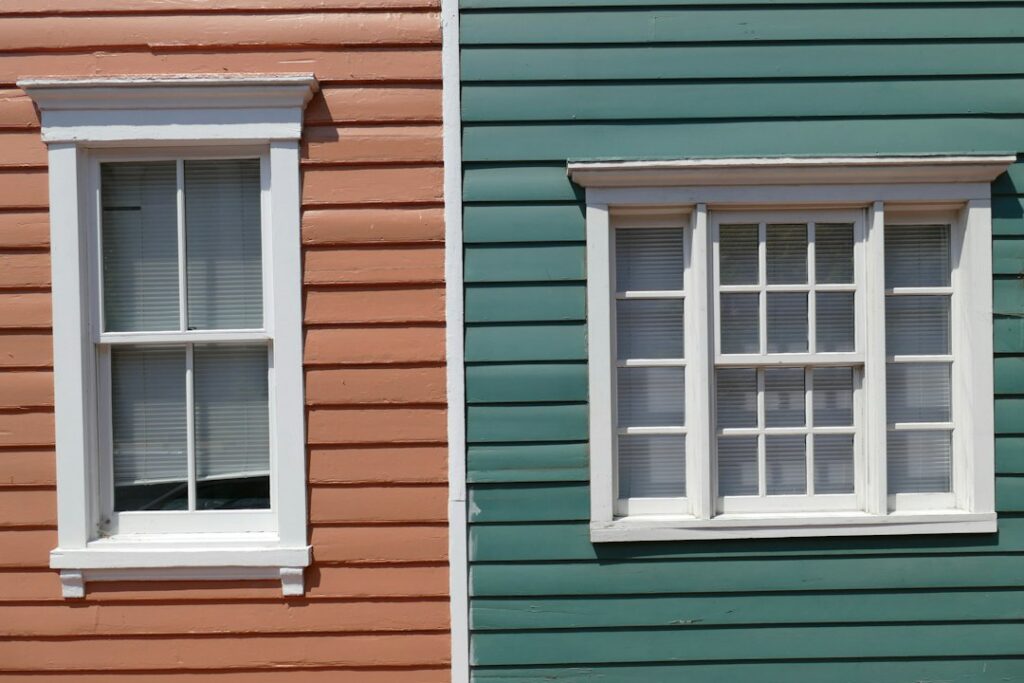
Wood windows are a common example. A window with loose glazing, worn paint, or a deteriorated sill may still have a sound frame and sash. Cleaning, patching, reglazing, weatherstripping, and repainting can restore function without replacing the entire unit. Replacement may also alter the appearance, proportions, or ventilation patterns of the house.
The same principle applies to:
- Solid wood doors that need adjustment or refinishing
- Plaster walls with limited cracks or loose areas
- Interior trim that can be cleaned and repaired
- Brick or stone that needs careful repointing rather than coating
- Wood floors that require selective board replacement and refinishing
Historic materials often have a long service life because they were designed to be maintained. Removing them before determining their condition can turn a manageable repair into a larger reconstruction project.
Which improvements provide the greatest value?
The most useful early improvements usually address safety, water management, and basic energy performance.
Safety work may include correcting unsafe wiring, repairing damaged stairs and railings, addressing gas or combustion concerns, and stabilizing loose ceilings or masonry. These items should not be postponed for the sake of preserving appearances.
Energy improvements should be planned with the building’s moisture behavior in mind. Weatherstripping doors, sealing obvious air leaks, insulating accessible attic areas, and improving attic ventilation may provide meaningful comfort without disturbing historic walls. Interior wall insulation can be more complicated because it may trap moisture or cover important plaster, trim, and electrical features.
A practical budget often separates projects into three groups:
- Immediate: active leaks, unsafe systems, structural movement, hazardous materials, and severe water intrusion
- Near-term: window repair, drainage improvements, limited masonry work, and weatherization
- Later: cosmetic finishes, decorative upgrades, room reconfiguration, and nonessential additions
This order helps prevent money from being spent on finishes that may later be damaged by unresolved building problems.
Is it cheaper to restore one room at a time?
Often, yes. Room-by-room work can make costs easier to control, but only if the overall house is considered before construction begins.
Before starting a room, identify whether plumbing, electrical, heating, insulation, or structural work will eventually pass through that space. For example, refinishing a ceiling before addressing wiring above it may lead to unnecessary rework. Likewise, installing new flooring before correcting moisture beneath the room can create avoidable damage.
A useful strategy is to establish a whole-house plan and then complete one contained phase. The plan does not need to specify every finish. It should identify major systems, likely trouble spots, preservation priorities, and work that may require permits or specialized testing.
How can homeowners avoid expensive mistakes?
The most common budget problem is treating symptoms instead of causes. Painting over peeling areas, sealing damp masonry with impermeable coatings, or covering old floors before checking for moisture may make a room look better temporarily while accelerating deterioration.
Other frequent mistakes include:

- Using hard modern mortar on older masonry that needs a softer, more compatible joint
- Removing plaster because of limited cracking rather than checking whether it can be stabilized
- Replacing windows solely because they are drafty
- Installing insulation without evaluating condensation risks
- Removing trim, doors, or hardware before documenting their locations
- Demolishing finishes before checking for lead-based paint, asbestos-containing materials, or other hazards
Older homes may contain hazardous materials even when they appear well maintained. Disturbing painted surfaces, flooring, pipe insulation, or wall materials can create health risks. Testing and proper containment may be necessary before repair work begins, particularly in houses constructed or renovated before modern material standards.
What should be preserved for historic character?
Historic character is usually carried by a collection of modest details rather than one dramatic feature. Original proportions, window openings, porch form, trim profiles, doors, stair parts, and room relationships can matter as much as decorative ornament.
Preservation does not mean freezing a house in its original condition. Kitchens, bathrooms, lighting, heating, and accessibility may need thoughtful updates. The goal is to make necessary changes while retaining features that explain the building’s age and craftsmanship.
Before removing anything, photograph it and record its location. Save reusable hardware and label removed trim. If a replacement is unavoidable, matching the original scale, material, and placement generally produces a more compatible result than selecting a generic modern substitute.
Do historic homes require special approval?
Some older properties have no formal historic designation, while others may be located within a regulated historic area or subject to local review. Requirements can vary based on the property’s status and the type of work proposed.
Exterior changes such as window replacement, porch alterations, additions, roofing materials, demolition, or visible masonry work may receive more scrutiny than routine interior repairs. Before committing funds, property owners should verify applicable zoning, building, permit, and historic-review requirements through the appropriate local offices.
This step can prevent a budget problem caused by ordering materials that do not meet applicable requirements or beginning work that must later be modified.
How should a limited restoration budget be managed?
A restoration budget should include both the planned work and a reserve for concealed conditions. Older houses commonly reveal surprises behind walls, under floors, or at roof and foundation connections.
A practical budget may divide available funds into:
- A first phase for water control and safety
- A second phase for repairs that prevent further deterioration
- A reserve for hidden damage
- A later phase for appearance and convenience upgrades
Keeping a written record of conditions, repairs, materials, and dates can also save money. It helps identify recurring moisture problems, prevents duplicate work, and provides useful information for future maintenance.
The least expensive restoration is rarely the one with the lowest initial price. It is the one that stops deterioration, respects the way the house was built, and avoids removing sound materials before their condition is understood.