

 See My Latest Article on HelloNation
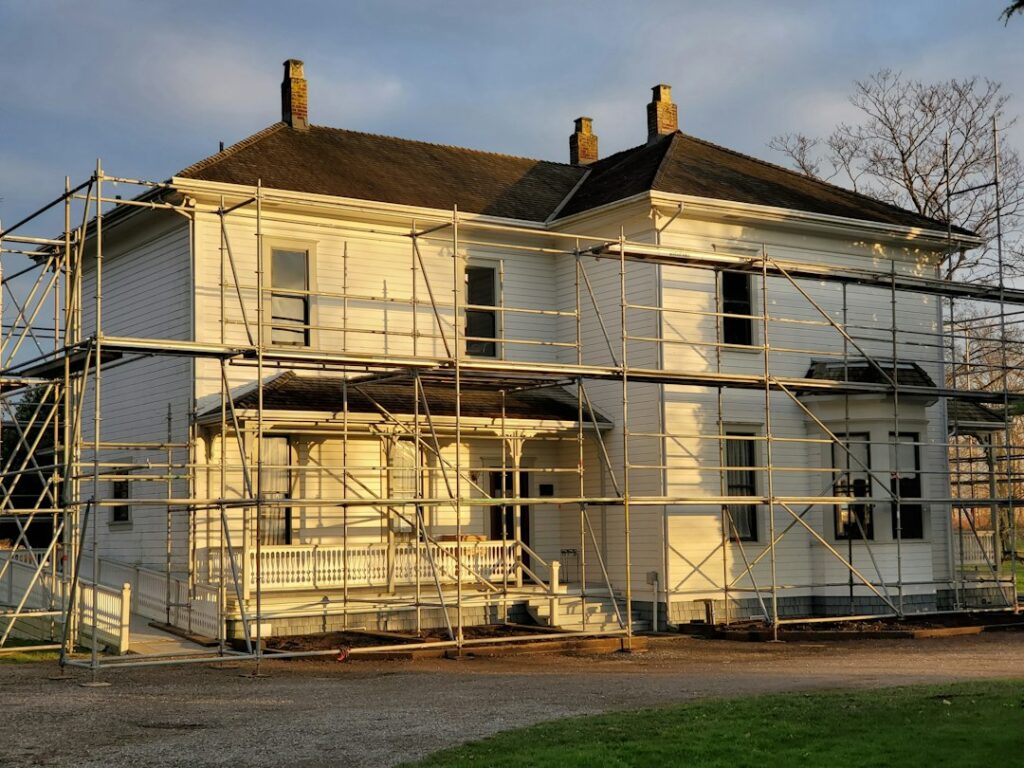
A house can have several different “birth dates”: the year its oldest section was built, the year it was enlarged, the date it received modern utilities, or the year it was moved onto a new foundation. Researching a home’s history means comparing physical evidence with public records, maps, photographs, and personal accounts rather than relying on a single source.
For residents of Devon, PA, the process can reveal how a property changed from farmland or estate land into a residential lot, how transportation affected neighborhood growth, and which alterations are original, early, or relatively recent.
What should you learn before searching?
Begin with the basic facts currently attached to the property. Record the full street address, parcel or tax identification number, approximate lot boundaries, and the names of current and previous owners if available.
Also photograph the house before making changes. Capture:
- Front, rear, and side elevations
- Stonework, siding, rooflines, porches, and windows
- Outbuildings, retaining walls, wells, old paths, and mature trees
- Basement and attic framing
- Hardware, trim, flooring, fireplaces, and unusual construction details
Look for clues that suggest additions. A change in foundation material, roof pitch, floor height, masonry bond, or framing size may indicate that one part of the house was built at a different time. A porch that appears symmetrical may conceal an earlier entrance, while a basement wall may show where an older section ends.
Keep a research notebook with dates, document names, page numbers, and uncertainties. Separating confirmed facts from family stories or reasonable guesses will make the final history more reliable.
How can property records establish an ownership history?
The deed chain is usually the foundation of house research. A deed may identify the seller and buyer, the date of transfer, the acreage, adjoining landowners, and legal descriptions that remain useful even when street addresses have changed.
Start with the most recent deed and work backward from grantor to grantee. This is sometimes called building a chain of title. Search for changes in:
- Owner names and spelling
- Acreage and boundary descriptions
- Parcel divisions or combinations
- References to roads, streams, mills, farms, or neighboring properties
- Estate settlements, mortgages, or life estates
A deed proves that land changed hands; it does not automatically prove that the present house existed at that time. A property may have been sold with an older dwelling, a tenant house, a barn, or no building at all.
County archival records can be particularly useful in this region. Historic government records may include deeds, wills, estate files, tax records, court documents, maps, and other material connected to land ownership. Search tools may help locate an entry, but original pages should be reviewed whenever possible because indexes can contain spelling errors or incomplete information.
Which maps and atlases are most useful?
Historic maps often show information that deeds do not. A landowner’s name, a house symbol, a barn, a spring, a road alignment, or a nearby property can help place the home in its wider setting.
For properties in Devon, compare several dates rather than relying on one map. County maps and property atlases from the nineteenth and twentieth centuries may show:
- Whether the lot was part of a larger farm or estate
- When roads appeared or shifted
- Whether the house stood near an older route
- Names of prior landowners
- The location of barns, tenant houses, schools, rail lines, or other landmarks
- How the parcel was divided over time
Map symbols require caution. A small structure may represent a house, barn, or other building, and a missing symbol does not necessarily prove that no building existed. Scale, surveying methods, and printing quality varied.
A useful technique is to write down the historic owner names shown on each map, then search those names in deeds, wills, newspapers, census records, or cemetery records. Names often connect sources that initially appear unrelated.
Can the building itself reveal its age?
Yes. Architectural investigation can narrow the date of construction or alteration, especially when it is combined with records.
Examine the house as a sequence of building campaigns. Ask whether the structure contains:
- Hand-hewn or sawn framing
- Timber framing, balloon framing, or later platform framing
- Different types of nails
- Stone, brick, or concrete foundations
- Changes in masonry, mortar, or stone size
- Windows of different proportions or muntin patterns
- Trim that does not match from room to room
- Evidence of removed doors, stairways, or fireplaces
- Infilled openings in basement walls or exterior masonry
Mechanical systems also provide clues. Coal chutes, early plumbing connections, knob-and-tube wiring, radiator piping, and abandoned flues may indicate periods of modernization. These features help establish when the home was updated, but they rarely provide an exact construction date by themselves.
Avoid the common mistake of dating a house by its most visible style. A Colonial Revival façade, for example, may have been added to an earlier farmhouse. Likewise, replacement windows or modern siding can conceal original openings without changing the underlying plan.
Where can photographs and local publications help?
Newspapers, directories, historic photographs, family albums, school records, and community histories can explain how a property was used. Search by owner names, road names, farm names, and nearby landmarks—not only by the current address.
Older addresses may be listed differently, particularly before standardized street numbering. A house may appear under a rural route, a farm name, an estate name, or the name of the nearest crossroads.

Look for references to:
- Property sales and estate auctions
- Fires, storms, or major repairs
- Building permits or additions
- Local farms and agricultural activity
- Household occupations
- Social events held at the property
- Changes in transportation, utilities, or neighborhood development
A family story can be a valuable lead even when it is not fully accurate. Treat it as a question to investigate rather than a final conclusion.
How should you verify conflicting information?
Conflicting dates are normal. A tax record may give an approximate building date, a deed may describe only the land, and an owner may remember the year an addition was completed rather than the original construction.
Rank evidence by what it can actually prove:
- A dated photograph can show that a feature existed by a certain year.
- A building permit can document an alteration or new construction.
- A deed can establish ownership and land boundaries.
- A map can show a structure or landowner at a particular time.
- Physical evidence can reveal building sequences.
- Oral history can identify names, uses, and stories that may not appear in formal records.
When sources disagree, record both claims and explain the reason for choosing one interpretation. It is more accurate to write “the house appears to have an eighteenth-century core with later additions” than to assign a precise year without supporting evidence.
What should you check before renovating?
Research is most useful before removing finishes, changing room layouts, replacing windows, or demolishing outbuildings. Photograph concealed areas as they are opened and save small samples or labels when they help document age.
Review applicable zoning, building, demolition, and historic-preservation requirements before work begins. A property may be located within a regulated district, subject to local review, or associated with a documented historic resource even if it is not individually listed.
Historic research should also inform, not dictate, renovation choices. The goal is to understand what is significant: the original footprint, a later addition, a surviving staircase, an agricultural outbuilding, or evidence of an important change in household use. Once those layers are understood, repair and alteration decisions can be made with fewer surprises and a clearer sense of what the property represents.
How can you organize the finished history?
Prepare a simple property file containing:
- A one-page chronology
- Copies or notes from deeds and maps
- A list of owners and occupants
- Photographs labeled by date and location
- A floor-plan sketch showing suspected additions
- A list of confirmed facts, open questions, and sources to revisit
For a Devon property, this file can become useful long after the initial research. Future owners, preservation reviewers, contractors, and family members will better understand which parts of the house are old, which were changed, and why the building looks the way it does today.