

 See My Latest Article on HelloNation
Why Do Historic Home Renovations in Devon, PA Often Go Off Track?
Even with the best intentions, repairs and upgrades in older homes frequently encounter unexpected challenges. Local residents are often surprised by both the practical and regulatory hurdles unique to historic properties. Devon’s historic homes, with their distinctive architecture and generational craftsmanship, require approaches that balance preservation with modern needs. Overlooking these factors can compromise both value and local character.
Are Historic Features Being Replaced or Hidden Instead of Restored?
Preserving original doors, windows, woodwork, and hardware is almost always preferable to substituting for newer products. Many residents inadvertently strip away original features, either mistaking them for outdated or assuming replacements are more efficient.
Original items were often crafted from old-growth materials unavailable today. For example, solid wood windows, with occasional repairs, can outlast modern units and keep the home’s historical authenticity. Covering original wood trim with aluminum or vinyl siding to reduce maintenance may seem practical but erases much of a home's architectural value.
Thoughtful repair techniques and appropriate weatherstripping often resolve insulation complaints without major replacements. When in doubt, referencing the original architectural plans or local historical resources can help determine which features are significant.
What’s the Impact of Ignoring Local Regulations and Permits?
Unpermitted or non-compliant projects can stop work midstream, create legal headaches, and result in fines, especially in areas with active historical committees or oversight. Devon has regulations protecting certain historic districts and properties, including requirements for maintaining external appearance and not making irreversible alterations.
Before substantial work, it's essential to check with local township offices, especially if the house is on a recognized historic register or sits within a regulated district. These requirements might restrict window replacements, additions, or visible changes such as new roofing or paint colors.
A common misconception is that only large renovations require approval—minor exterior changes or even fencing can trigger a review in some neighborhoods. Simple research or a conversation with a local preservation official can prevent costly missteps.
How Does Moisture Management Differ in Older Structures?
Historic homes in Devon often have stone foundations, slate or cedar roofs, and original plaster walls. Modern materials, like non-breathable house wraps or foam insulation, frequently cause moisture to become trapped in walls, leading to rot, mold, and structural damage.
Unlike new construction, these homes were designed to "breathe"—moisture travels naturally through plaster and masonry, evaporating harmlessly. Blocking these pathways can accelerate deterioration and create costly repairs. For instance, sealing up a limestone foundation with concrete instead of traditional lime-based mortars may trap groundwater, leading to bowing and crumbling walls.
Residents should consider products and repair methods compatible with the home’s original construction. Routine gutter cleaning, maintaining grading away from foundations, and gently repointing mortar joints with like-for-like materials are all critical.
Are Modern Updates Clashing With Historic Character?
Adding convenience or meeting energy standards sometimes leads to stark contrasts between old and new—undermining a home’s character. Installing overly large skylights, inappropriate siding, or incompatible additions can be visually jarring and may even decrease property value.
Instead, updating kitchens, baths, or mechanical systems can be done subtly, preserving room proportions and details wherever possible. It’s helpful to select fixtures and finishes that echo the home's period, even for minor items such as lighting or hardware.
Examples of visually compatible improvements include:
- Tucking HVAC systems into attic or basement spaces, rather than running new ducts through significant rooms
- Hiding insulation inside wall cavities instead of covering plaster or paneling with drywall
- Using traditional paint colors and finishes on exterior woodwork

Why Do Some Renovations Exceed the Budget or Take Longer Than Expected?
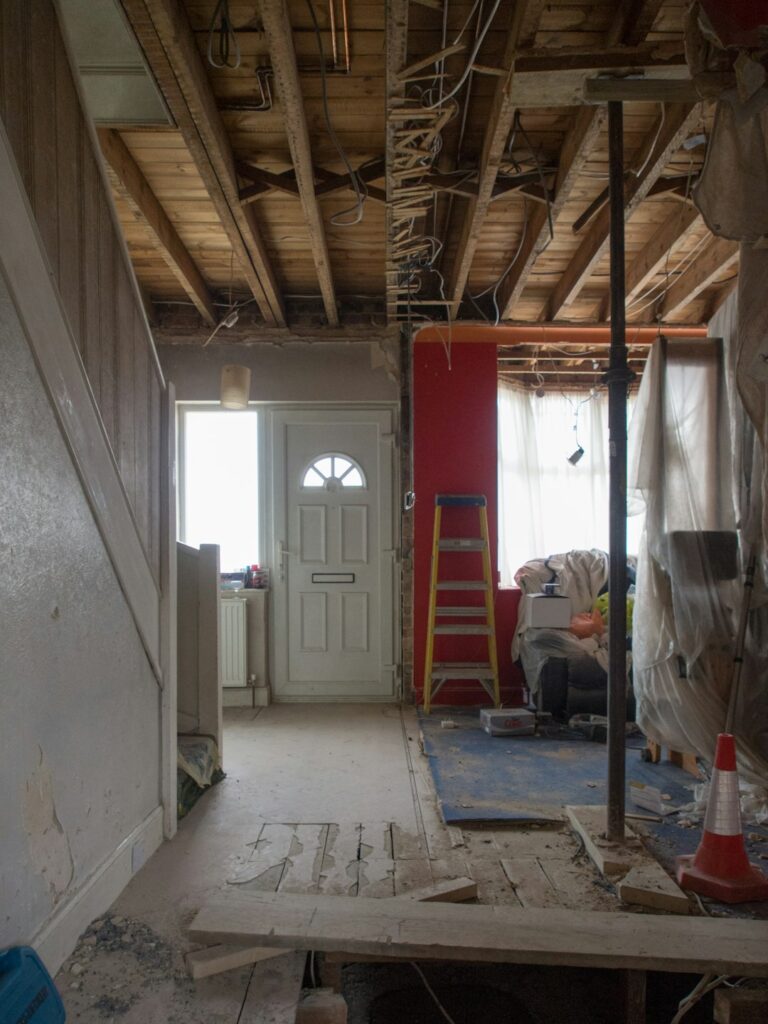
Renovating a historic home almost always reveals unforeseen conditions. Hidden water damage, old wiring, or unanticipated structural repairs can significantly change the project scope. Devon’s climate—marked by cold winters, humid summers, and seasonal freeze-thaw cycles—also wears down materials in ways that may not be fully visible during planning.
Budgeting too little for contingencies or relying strictly on cosmetic updates is a frequent pitfall. It’s wise to set aside an extra 15-25% of the total budget for surprises, especially during kitchen, bath, or basement work where concealed damage is likely.
Weather delays, the need for specialized materials, and waiting for review approvals can also extend timelines. Managing expectations and building flexibility into project plans goes a long way toward reducing frustration as work progresses.
What Role Does Energy Efficiency Play—and Where Is It Misapplied?
Pressure to make homes more energy efficient can lead to decisions that undermine both historical value and building performance. Sealing up every draft and replacing all glazing is not always effective—or desirable—in a home designed to allow some natural air movement.
A more successful approach includes:
- Adding attic and basement insulation (while maintaining appropriate ventilation)
- Installing storm windows that preserve original sashes
- Using window treatments and heavy curtains instead of removing historic windows
- Fitting weatherstripping to doors without removing period hardware
Replacing functioning historic elements rarely provides meaningful energy savings when weighed against the loss of irreplaceable architectural details.
How Can Residents Avoid Mistakes During Updates?
In summary, every historic home is unique. The most successful renovations in Devon honor original craftsmanship and adapt solutions to the home's specific needs—not just trends or convenience. Small, incremental improvements—guided by an understanding of the home’s history and structure—lead to better outcomes than sweeping overhauls. Local knowledge, patience, and respect for period features are the best tools for keeping a historic property vibrant for years to come.