

 See My Latest Article on HelloNation
What Should Residents Know Before Starting Woodwork Restoration?
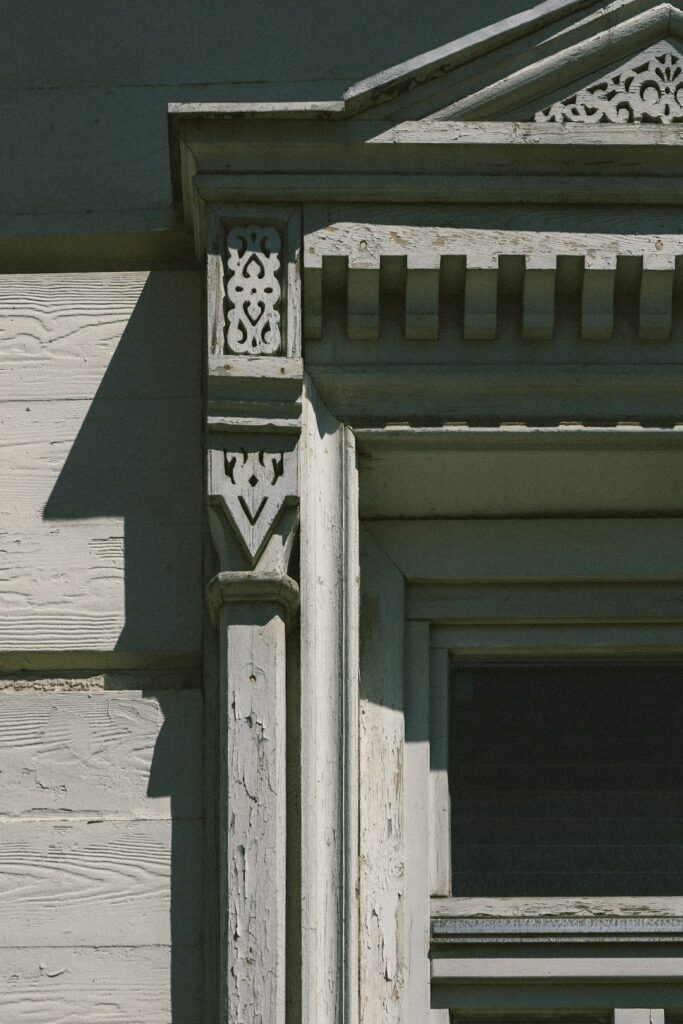
Many homeowners in Devon, PA encounter original woodwork that defines the character of their historic homes. Before beginning any restoration project, understanding the type of wood, its historical finishes, and the home’s building era is key. Local homes may feature oak, chestnut, or pine trim—each with different grains and restoration needs. Observing clues such as wood color, ornate moldings, or old hardware can reveal which finishes and preservation techniques are appropriate.
Sometimes, what looks like significant damage is actually limited to the surface, so gentle investigation and testing are crucial before deciding on a restoration strategy.
How Can You Identify and Evaluate Original Woodwork?
Start by inspecting areas that are less likely to have been altered, such as inside closets or behind built-in units. Look for:
- Uniform wood grain and color
- Classic joinery like mortise and tenon or hand-cut dovetails
- Original tool marks or aged patina
Many area homes still have sections of woodwork covered by later paint layers. Carefully scraping a discreet area or using denatured alcohol on a cotton swab may help reveal earlier finishes. Comparison with interior doors, baseboards, or stair rails often helps determine what’s original and what’s been replaced.
What Are Common Surface Issues and How Should They Be Handled?
Scratches, dings, paint buildup, and water stains are frequent in older homes. Not all damage requires removal or heavy sanding, which can erase historical detail.
- Paint Buildup: Use a low-impact chemical stripper or a heat gun set to a moderate temperature. Old homes may have lead paint; in those cases, extra precautions or certified lead-safe practices are required.
- Scratches and Dings: Minor imperfections add character, but deeper scratches on stained trim can sometimes be camouflaged with wax fill sticks or tinted shellac.
- Water Stains: Light stains may improve with gentle cleaning or light sanding. Deep discoloration might require oxalic acid (wood bleach) applied cautiously.
Throughout this process, always avoid aggressive power tools, as they can flatten molding profiles and remove unique details.
What Cleaning Methods Are Appropriate for Historical Woodwork?
Gentle cleaning often rejuvenates woodwork without harming the patina that many Devon homes possess.
Begin with a soft cloth slightly dampened with mild wood soap or diluted dish detergent. Always test cleaning solutions in a hidden spot first.
For sticky residue or grime, mineral spirits on a soft rag can work well, but ensure good ventilation and avoid open flames.
Never soak woodwork or allow water to stand on surfaces, especially in humid seasons common locally. Water exposure causes warping or swelling, particularly in solid pine or old-growth wood.
Is It Possible to Remove Paint Without Damaging Original Details?
Removing multiple paint layers from historic woodwork without destroying fine details is challenging, but possible with patience and the right tools.
- Citrus-based gel strippers can soften paint without harsh fumes and are less likely to raise grain.
- Plastic putty knives (not metal) avoid gouging the surface.
- Detail brushes help lift softened paint from ornate moldings and dental trim.

Stripping large areas may uncover repairs or mismatched patches added over the years. Decide early if these will be replaced, left as-is, or visually blended with color-matched stains. If paint is lead-based, specialized removal and containment procedures are legally required, and local ordinances may apply to older housing stock.
How Should Repairs to Damaged or Missing Pieces Be Approached?
Small chips or missing pieces can often be filled or patched at home.
- Use hard-setting wood epoxy for structural fills.
- Sand, then blend color and finish gradually to match the surrounding area.
For major missing features—like portions of crown molding or carved elements—consider if you can reproduce the shape using stock trim modified with hand tools, or if searching local salvage resources is practical. Many Devon area residents rely on community resources such as local salvage shops or heritage material swaps for suitable replacement material.
What Kinds of Finishes Are Best For Historic Woodwork?
Historically, local homes often featured natural oil or shellac finishes rather than modern polyurethane. Shellac brings out the grain’s warmth and is easily renewable, while tung or linseed oil is valued for its subtle sheen.
Before finishing, lightly sand with fine-grit paper to ensure new coatings adhere without removing age-old texture. Always match the existing finish type, if possible, to maintain authenticity and future repairability.
For high-traffic areas like stair banisters, a hard wax finish provides balance between traditional appearance and moderate durability. Test finishes on spare or inconspicuous sections before committing to ensure you’re satisfied with the color and sheen.
What Are Common Mistakes to Avoid in Restoring Original Woodwork?
Rushing the process or using harsh chemicals or heavy sanding tools can irreversibly change historic woodwork. Painting over irreplaceable features to save time, or mismatching replacement trim in visible places, are also common missteps.
It’s also a frequent misconception that all old paint should be stripped; many old finishes help protect wood and simply require cleaning or stabilization. For any suspected mold, rot, or pest damage, thorough assessment before restoration ensures problems don’t return.
Carefully approaching restoration, respecting local home history, and preserving authentic craftsmanship help maintain both the aesthetic and value of area homes.