

 See My Latest Article on HelloNation
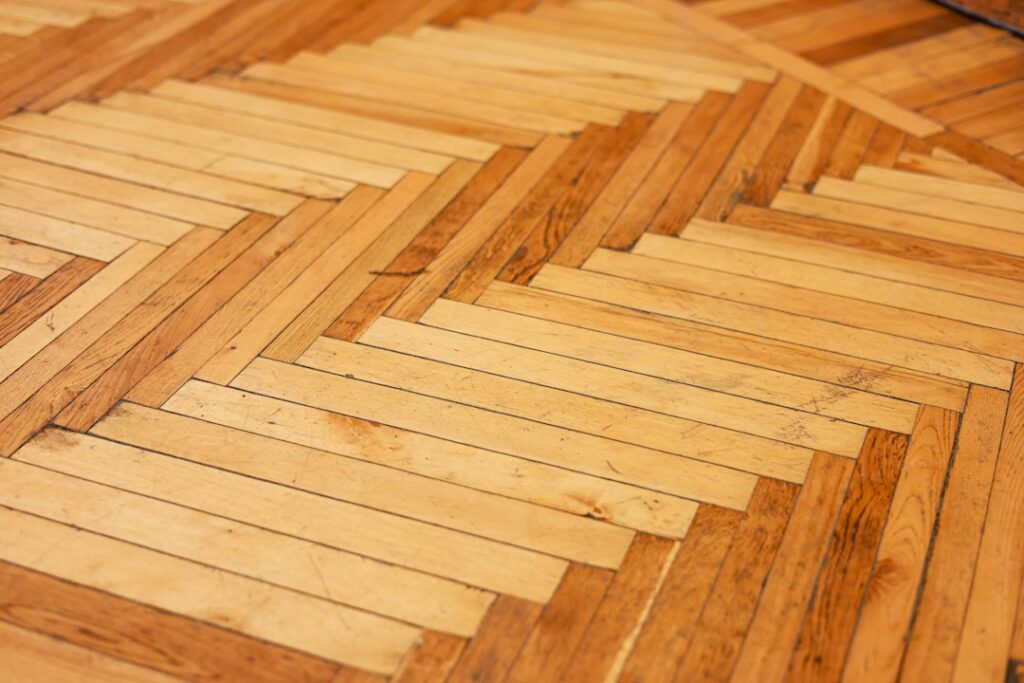
Original flooring is more than a finish beneath a room’s furniture. In older homes, it can provide evidence of the building’s age, construction methods, household habits, and architectural character. Preserving it often protects both the appearance and the meaning of the property.
For residents of Devon, PA, this question commonly arises during renovation: Should an aging floor be repaired, refinished, covered, or replaced? The right answer depends on the floor’s condition, material, history, and relationship to the rest of the house.
What counts as original flooring?
Original flooring is material installed during the home’s initial construction or during an early period of its history. It may include wide-plank wood, narrow strip flooring, slate, brick, ceramic tile, linoleum, or other materials associated with the property’s period.
A floor does not need to be perfectly intact to be historically valuable. A room may contain boards that have been patched, shortened, stained, or repaired over many decades. Those changes can be part of the floor’s story rather than evidence that it has no value.
Original flooring may also survive beneath later materials. Wood floors are sometimes hidden under carpet, resilient flooring, plywood, or multiple layers of paint. Removing those coverings should be approached carefully because adhesive, nails, moisture, or previous alterations may have affected the material below.
Why preserve original flooring instead of replacing it?
The strongest reason is authenticity. Original materials help a house retain its historic character in a way that new products, even high-quality ones, cannot fully reproduce.
Older flooring may also be more closely matched to the home’s proportions and construction. Board widths, surface texture, color variation, and installation patterns often relate to the trim, doors, stairways, and room layouts. Replacing the floor can create a visually new surface that does not fit the building as naturally.
Preservation also retains evidence of past use. Wear patterns near doorways, softened edges, old repairs, and changes in color can show how rooms functioned over time. These marks should not automatically be treated as defects. In many historic houses, they are part of the visual record.
Does preserving an old floor add practical value?
It can. Properly maintained original flooring may be durable, repairable, and easier to maintain than a newly installed floor with a short service life. Solid wood, slate, brick, and some older tile systems can often be repaired in sections rather than discarded entirely.
Preservation may also reduce waste. Replacing a floor involves removing the existing material, transporting debris, manufacturing new products, and installing them with additional adhesives, underlayment, or fasteners. Keeping a serviceable floor in place avoids much of that disruption.
There are limits, however. A floor that is structurally unsafe, severely contaminated, extensively damaged by moisture, or beyond reasonable repair may require partial or full replacement. Preservation does not mean ignoring hazards or keeping every material at any cost.
How should original wood flooring be evaluated?
The first step is to identify the floor’s condition rather than judging it only by appearance. Surface wear, scratches, uneven boards, or faded finish may be cosmetic. Movement, soft spots, major gaps, insect damage, and moisture-related decay may indicate deeper problems.
Useful questions include:
- Are the boards solid when walked on?
- Is there evidence of active moisture beneath or around the floor?
- Are boards loose, split, or badly cupped?
- Has the floor already been sanded several times?
- Are nails, patches, or previous repairs visible?
- Does the floor continue beneath walls, trim, or later additions?
Older floors can be thinner than expected after repeated refinishing. Aggressive sanding may remove remaining character and reduce the material’s useful life. A less intensive cleaning and recoating process may be more appropriate than sanding down to a uniformly new surface.
What are the benefits of repair and refinishing?
Repair keeps more historic material in place. Individual boards can sometimes be secured, patched, or replaced with carefully matched material. Small gaps may be addressed without filling every irregularity, and worn finishes can often be renewed while preserving the floor’s age-related appearance.
Refinishing can improve cleanliness, light reflection, and resistance to everyday wear. It does not need to produce a perfectly uniform result. Slight variation in color and sheen may be more compatible with an older house than a completely new-looking surface.
A restrained approach is especially useful in rooms that connect visually to hallways, staircases, or adjacent spaces. Abrupt differences between old and newly installed flooring can make the renovation feel disconnected, even when the new material is attractive by itself.
When is replacement justified?
Replacement is generally more defensible when the floor presents a genuine safety or health concern, has suffered extensive structural deterioration, or has been irreversibly altered by water or other damage.

Replacement may also be necessary when a later floor is not historically significant and prevents the building from functioning properly. For example, a deteriorated covering that traps moisture or creates a tripping hazard may need to be removed.
Even then, full replacement is not the only option. Salvageable boards may be retained, damaged areas may be replaced selectively, or a compatible new floor may be installed only in the affected section. The goal is to solve the underlying problem while limiting unnecessary loss.
How do seasonal conditions affect old floors?
Homes in this area experience seasonal changes in temperature and humidity. Wood responds by expanding and contracting, which can produce small gaps during dry periods and tighter joints during more humid weather.
These changes are not always signs of failure. Maintaining a relatively stable indoor environment can reduce stress on historic flooring. Sudden shifts in humidity, leaks, damp crawl spaces, and wet basement conditions are more concerning than ordinary seasonal movement.
Practical maintenance includes wiping spills promptly, using entry mats that do not trap moisture, avoiding excessive wet cleaning, and keeping furniture pads beneath heavy pieces. Rugs can protect high-traffic areas, but they should be moved periodically so the floor can be inspected and allowed to breathe.
Are old flooring materials always safe?
No. Age alone does not determine safety. Some historic flooring systems may contain adhesives, backing materials, finishes, or underlayment that require caution during removal or disturbance.
Painted floors and older resilient materials should not be sanded, scraped, or cut without first considering whether hazardous substances may be present. Dust-producing work can spread particles through the house. If the material’s composition is uncertain, testing and appropriate safety procedures may be necessary before renovation begins.
Slip resistance and trip hazards also deserve attention. A preserved floor should still provide a reasonably safe walking surface. Loose boards, raised thresholds, exposed fasteners, and abrupt level changes should be addressed without removing more historic material than necessary.
How can homeowners make a preservation-minded decision?
Start with documentation. Photograph the floor, record visible repairs, and look for clues beneath rugs, trim, or later coverings. Note where the material changes from room to room and whether the pattern appears original or added later.
Then separate the issues into three categories:
- Historic value: What does the flooring reveal about the house?
- Physical condition: Is the material stable, repairable, and free of active moisture problems?
- Daily function: Can it safely support the household’s normal activities?
This approach helps prevent two common mistakes: replacing a repairable floor simply because it looks worn, or preserving a damaged floor without correcting the conditions that caused its deterioration.
Original flooring does not need to look untouched to remain valuable. A repaired board, a softened finish, or a visible patch can coexist with comfortable modern living. In a historic home, preserving those layers often creates a more honest and durable renovation than making every surface appear new.